
Re-training the Mind: Practical Steps to Healthier Thoughts
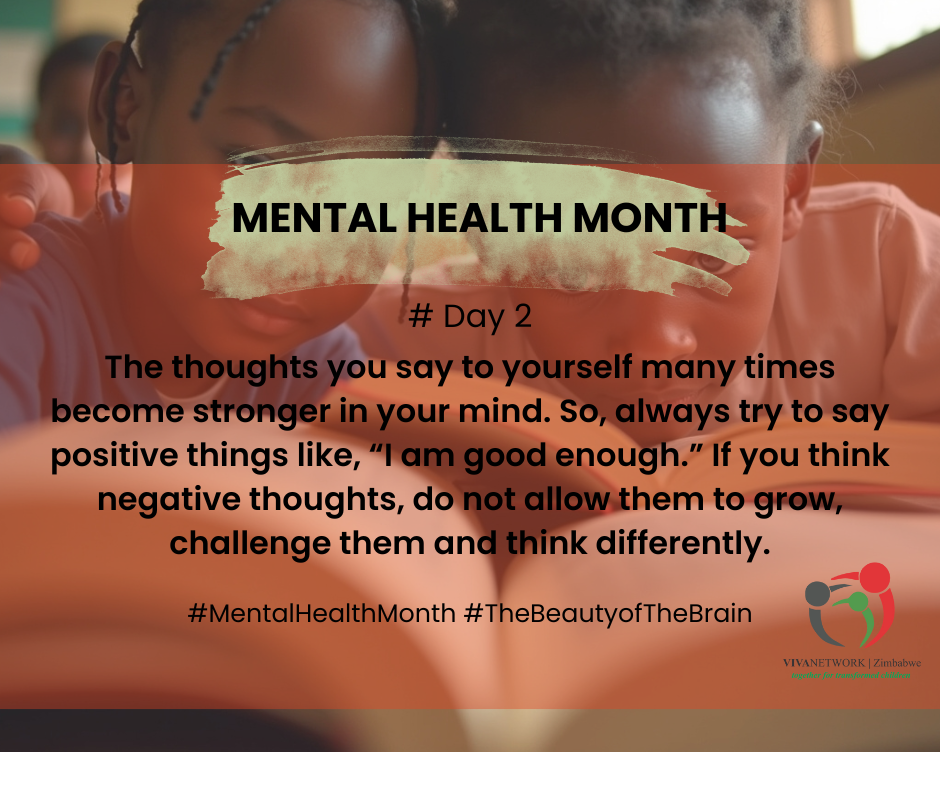
Today we focus on something simple but powerful: the words you speak to yourself every day.
Children hear our voices, but they also watch how we treat ourselves. When we think well, we live well and we protect their mental health by modelling it.
Many people fight quiet battles in their minds. A small worry becomes a big fear. A passing thought becomes a belief. This is why it matters what we repeat internally. The more often you tell yourself something, the stronger it becomes, whether it is hope or discouragement.
So today’s lesson is not only encouragement; it is a practical exercise you can start right now.
1. Catch the Thought
Throughout the day, pause for a moment and notice your inner conversation. Ask yourself:
- “What am I saying to myself right now?”
- “Is this thought helping me or hurting me?”
Even children can do this when guided. Awareness is the first step to change.
2. Label It Truthfully
If the thought is negative, label it as what it is:
- “This is fear talking.”
- “This is self-doubt.”
- “This is not a fact, just a feeling.”
Naming the thought weakens its power.
3. Challenge the Thought
Do not just accept everything your mind says. Gently question it:
- “Is this really true?”
- “What evidence do I have for this?”
- “What would I say to a friend who felt this way?”
Often, you realise the negative thought has no solid ground.
4. Replace It with a Healthy One
This is where healing starts. Speak something positive and believable:
- “I am good enough.”
- “I am growing.”
- “I can try again.”
- “Today is a new chance.”
Positive words are not pretending; they are training your mind to choose a healthier direction.
5. Repeat It Until It Sticks
A new thought becomes stronger each time you rehearse it.
Make it a habit:
- Say your positive phrase in the morning.
- Repeat it when negative thoughts return.
- Encourage your children to also choose one positive phrase for their day.
Consistency rewires the brain.
Why This Matters for Child Protection
Children imitate what they see. When adults:
- manage stress well,
- speak kindly to themselves, and
- replace negative thoughts with healthier ones,
…children learn resilience, confidence and emotional safety.
A mentally healthy adult creates a mentally safe environment for a child.
Action for Today
Choose one positive statement for yourself and one for your child.
Write it.
Say it.
Repeat it.
Remember: you are good enough, and you are growing.
#MentalHealthMonth #TheBeautyOfTheBrain #TogetherForTransformedChildren