Towards positive norms and practices for Child Protection
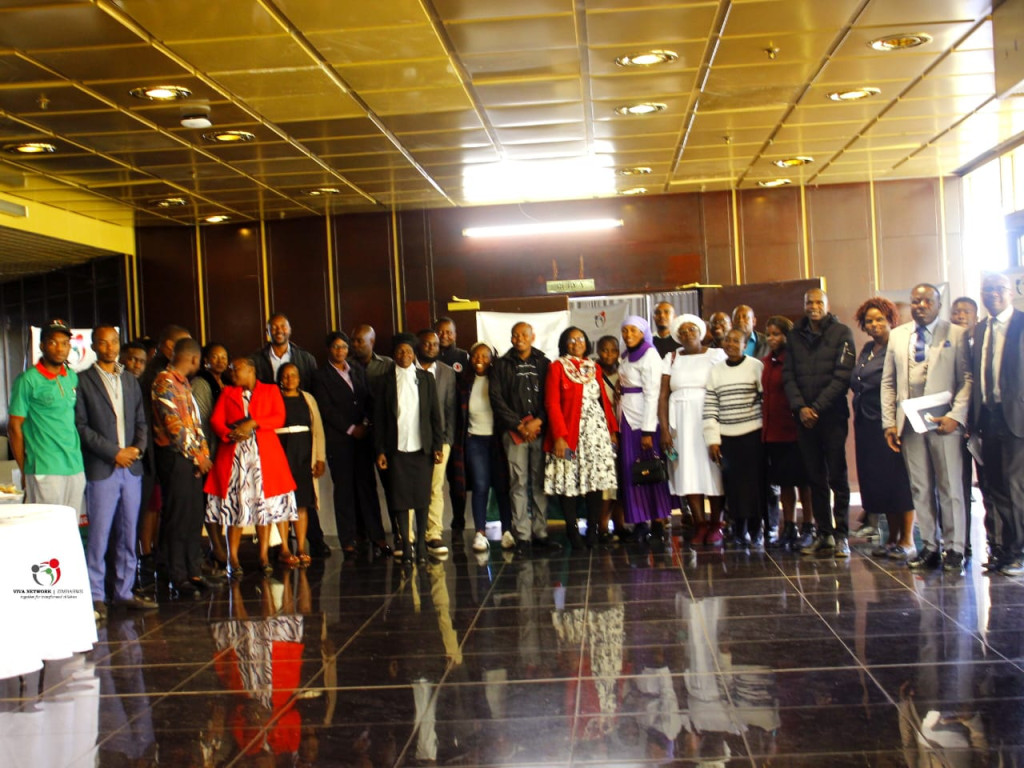
Viva Network Zimbabwe (VNZ) hosted a powerful and engaging Child Protection Conference at the Harare International Conference Centre (HICC), bringing together churches, government ministries, civil society, and community leaders. The goal was to challenge harmful cultural and social norms affecting children and to create stronger partnerships to protect them.
Many children in Zimbabwe are still facing serious violations, from child marriages and trafficking to abuse and mental health issues. VNZ believes that it takes all of us… families, faith leaders, schools, and communities, to protect every child. This conference was a bold step forward in uniting voices and resources to protect the children of Zimbabwe.
Opening Moments of Impact
The conference started with a powerful devotion from Apostle Ndebele, the founder of Redemption Ministries International, encouraging parents and guardians to go back to Ubuntu — raising children together as a community. “A person is a person through others,” he said, calling on adults to guide children with love, responsibility, and shared values.
Key Messages from the Day
Many speakers highlighted real-life issues that children are facing:
- Mrs. Ngani, from the Ministry of Social Development, welcomed all stakeholders and encouraged more inclusive child protection practices, especially for children with disabilities.
- Mr. Nyahwedegwe, Director of VNZ, gave an overview of our work: helping churches and faith-based groups become safe spaces for children across Zimbabwe. Watch the presentation here
Children Exposing Harmful Norms in Society
A major highlight came from Honorable Nicole Kalipinde and Honorable Malcom Musa, who gave an in-depth presentation on harmful norms and how they impact children in Zimbabwe. They explained that norms are the accepted ways people behave or believe in a society — but some of these norms are dangerous and harmful, especially to children.
They listed several harmful norms that have become disturbingly common in our communities:
- Child marriages, where young girls are married off before the age of 18, often to older men, sometimes in exchange for money or goods. This leads to early school dropouts, early pregnancies, domestic abuse, and loss of childhood.
- Drug and substance abuse, especially among boys, which is now seen as “normal” in many neighborhoods. This is affecting education, mental health, and increasing criminal behavior.
- Bullying and gangsterism in schools, particularly in high-density suburbs, where children are being recruited into violent groups for protection, status, or money.
- Virginity testing, a harmful traditional practice still being carried out in some religious sects, causing trauma, shame, and violation of privacy for girls.
- Mental health neglect, where children’s emotional and psychological struggles are dismissed or ignored by families and society at large.
The two Honorable Members didn’t just name the problems — they challenged everyone in the room to reflect on how culture and silence keep these harmful norms alive. They stressed that children are becoming victims because the community is too quiet. These norms are passed down from one generation to another, and unless broken, the cycle will continue.
They called for urgent action to:
- Educate communities about what harmful norms are
- Speak up against dangerous traditions and beliefs
- Empower children to understand their rights
- Build safe reporting systems for abuse
- Support parenting education that promotes love and discipline without violence
Their message was clear: “Culture should not destroy children — it should protect them.”
Academic Look at Harmful Norms
One of the day’s most powerful sessions came from Dr. Muridzo from MSU School of Social Work, who unpacked Global Perspectives on Child Protection and Harmful Norms.
He explained that while not all cultural practices are harmful, some, like early child marriage, female genital mutilation, and forced initiation rituals, go directly against human rights. These practices:
- Violate children’s dignity
- Cause emotional and physical trauma
- Lead to long-term harm, especially for girls
Dr. Muridzo reminded everyone that harmful norms are not just local, they’re a global issue. He spoke about how international laws like the UN Convention on the Rights of the Child and the Universal Declaration of Human Rights exist to protect children from harmful traditional practices.
He also encouraged ongoing education:
“We must not stop learning. Let’s keep improving our work and understanding. We owe it to our children.”
What Needs to Change
Throughout the day, participants shared solutions that can make a difference, including:
✅ Teaching parents about positive parenting
✅ Training churches and pastors on child protection
✅ Providing safe shelters and legal help for victims
✅ Supporting mental health services in schools and communities
✅ Ending harmful beliefs like virginity testing, early marriage, and child labor
✅ Holding awareness campaigns that include youth voices and church leaders
The Role of Faith and Community
Speakers like Ms. Dorcas Mugugu (ZCBC) and Dr. Nyabanga (Daybreak Bible School) emphasized the role of the church in changing harmful norms. They challenged churches to be a voice for justice, not silence, and to rethink harmful interpretations of scripture.
“The Church must reflect the love of Christ and that means protecting His little ones,” Ms. Mugugu said.
Viva Network Zimbabwe remains focused on:
- Training churches and faith leaders to be agents of child protection
- Creating safe spaces through all possible partnerships
- Promoting multisectoral collaboration with government, NGOs, and schools
- Raising awareness through events, social media, and outreach programs
- Documenting and sharing child protection resources to grow capacity across Zimbabwe