Junior Parliamentarians speak on child participation
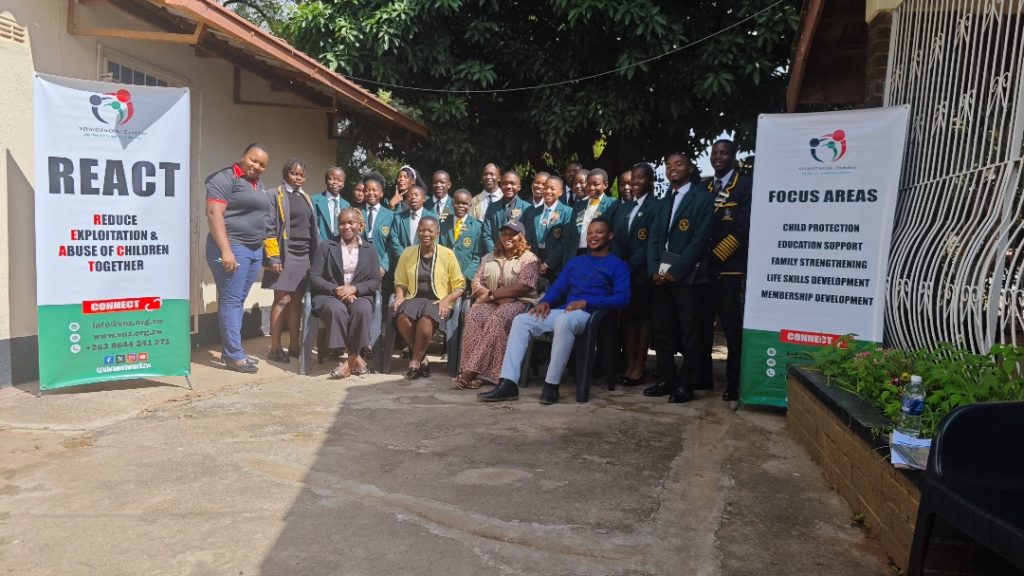
When young people speak, the world should not just hear them. It should truly listen. That was the spirit behind Viva Network Zimbabwe’s recent Focus Group Discussion with Junior Parliamentarians, held under the REACT program (Reduce Exploitation and Abuse of Children Together). REACT is one of VNZ’s flagship initiatives that unites communities, churches, and leaders in the fight against child exploitation and abuse, while ensuring that children themselves are central to the solutions.
The session, hosted at the VNZ offices, created a safe and empowering space for young leaders to share their experiences, struggles, and hopes for a brighter future. What stood out most was their honesty and courage, as they called for more support, more understanding, and more action from parents, teachers, churches, and society at large.
The day began with a prayer, followed by a warm welcome from Mrs Kanyati. Each Junior Parliamentarian proudly introduced themselves and their area of representation. To break the ice, the youth answered the “miracle question.” If you had superpowers this Christmas, what would you do? The most popular response was “give every child superpowers too.” This answer captured the heart of the discussion: these young leaders are not only thinking of themselves, but of every child in Zimbabwe.
Children Raising Real Issues
As the dialogue deepened, the Junior Parliamentarians highlighted urgent challenges they are passionate about addressing: ending child marriage, stopping drug and substance abuse, tackling poverty, and advancing child rights and participation. Some linked these issues to broader forces such as climate change, noting how rising food prices push families into desperate decisions like early marriage or withdrawing children from school.
The youth also shared inspiring examples of their own advocacy. They spoke about hosting community clean-up campaigns, appearing on radio platforms such as Star FM and Chikomo Radio to raise awareness about mental health, and participating in festivals like Nyika Mukadzi, which celebrates and empowers women. These stories reflected their commitment to being not only spokespeople but also active change-makers.
Mental Health and Digital Pressure
One of the most serious concerns raised was the rise in mental health struggles among children. Several participants observed that young people often feel so fragile and hopeless that they threaten suicide when corrected or misunderstood. They called for open, judgment-free conversations between parents and children, emotional support systems in schools and churches, and immediate referral to professionals for children who express suicidal thoughts.
The group also noted the role of technology in shaping today’s crisis. Many children turn to phones or social media when they feel isolated, but instead of finding comfort they often experience increased anxiety and pressure. The youth emphasized that parents, teachers, and faith leaders must understand the realities of the digital world in order to provide meaningful guidance and support.
Child Participation in Practice
The theme of child participation ran throughout the discussion. While some felt their voices are heard more in schools than at home, others said they are “only listened to for the show” and not taken seriously. Many admitted to staying silent for fear that their opinions might damage relationships with adults or affect their grades. To address this, the group suggested separate dialogues for boys and girls, as well as platforms where children can speak freely without fear of reprisal.
Far from being passive recipients, the Junior Parliamentarians demonstrated that they are thinking critically, asking the right questions, and proposing concrete solutions. They called for training in advocacy, improved relationships with adults, and opportunities to support peers who are struggling with depression, academic pressure, and social isolation.
A Call to Action
This discussion was more than an event. It was a testament to the power of youth leadership when children are given the space to speak and be taken seriously. For Viva Network Zimbabwe and the REACT program, it underscored a crucial truth: children are not only beneficiaries of protection efforts, but also partners and leaders in creating lasting change.
When we give children space to talk, we give them power to lead. And when we truly listen, we begin to build a future that protects, includes, and empowers them, not just in words, but in action.