
VNZ facilitates child protection church visits with the Department of Social Development
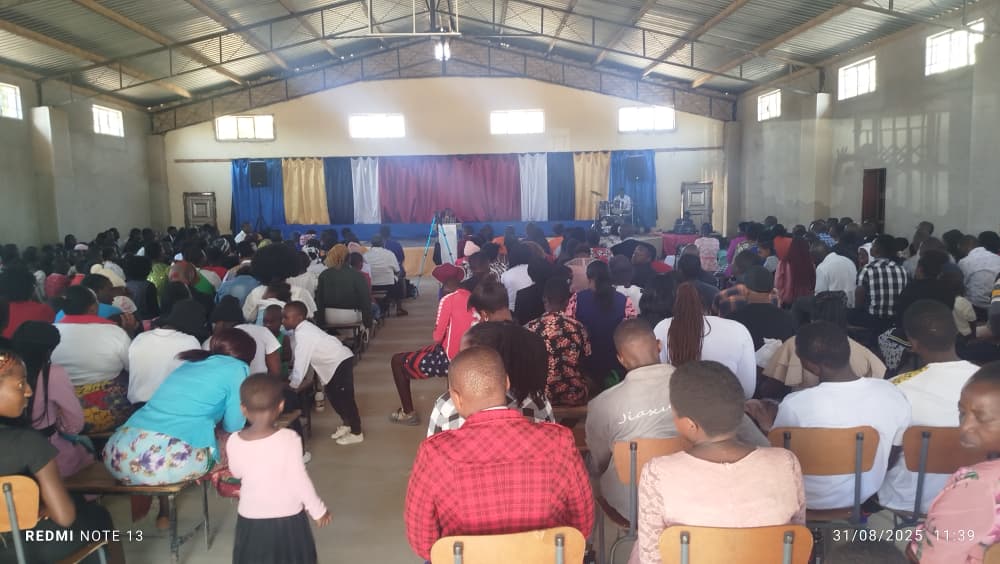
Epworth, Harare; On Sunday the 31st of August, three churches including Eternal Word Ministries, General Council Assemblies of God, and Family Christian Worship Centre opened their doors to an important teaching on child protection and foster care, delivered by Mrs. Mururami, a Child Protection Officer from the Department of Social Welfare (DSD) Harare Central District.
The visits were coordinated in partnership with Viva Network Zimbabwe (VNZ), under the ongoing Protecting Children Through Child Friendly Churches Project, funded by CKU.
The Role of DSD in Child Protection
Mrs. Mururami began by informing congregants that the Department of Social Welfare is mandated with the overall responsibility of child protection in Zimbabwe. Its mission is to ensure that every child grows up in a safe, nurturing, and stable environment that meets their physical, emotional, and social needs.
She highlighted that while extended families have traditionally cared for orphaned or vulnerable children, today’s challenges; urbanisation, migration, and weakening family structures mean that not all children can be absorbed into kinship care. This gap has created the need for foster care as a legally recognised and family-based alternative.
Why Foster Care Matters
The teaching session outlined the unique benefits of foster care compared to institutional care:
- Children receive individualised love, attention, and guidance.
- They are raised within family settings, which foster a sense of belonging, cultural identity, and socialisation.
- Foster families help integrate children into the community, reducing stigma and isolation.
Churches were encouraged to take a lead in promoting foster care as it aligns with Christian values of compassion, family care, and hospitality.
Becoming a Foster Parent
Mrs. Mururami clarified that foster parenting is a legal arrangement, formalised by a court order (valid for three years and renewable). Foster parents act as custodians, not legal parents, and are expected to:
- Provide love, shelter, education, healthcare, and daily care.
- Uphold confidentiality about the child’s background.
- Report to DSD on the child’s wellbeing.
- Protect the child’s identity and dignity.
To qualify, applicants must:
- Be at least 25 years old.
- Have a stable family background and socio-economic stability.
- Pass a police clearance.
The DSD carefully screens all applicants, prioritising the best interests of the child.
Support for Foster Families
Government support is available to families who take children into foster care once a court order is granted. This includes:
- A monthly allowance of USD $50 per child.
- Capital grants to help with care costs.
- Possibility of claiming arrears for months of prior care.
Community Responsibility
In addition to foster care, congregants were reminded of the Childline toll-free number 116, where abuse and neglect can be reported confidentially. Zimbabwe currently has 65 Social Welfare Districts serving children and families.
Mrs. Mururami emphasised that protecting children is a shared responsibility. Churches, families, and communities must work together to ensure that vulnerable children are not left behind.
A Networked Effort
The visit was part of a broader initiative by Viva Network Zimbabwe, which since 1999 has mobilised over 200 churches and organisations to safeguard children through child protection, family strengthening, youth support, and faith-based action.
Through the Child Friendly Churches (CFC) Project, VNZ has already equipped more than 150 churches with child protection policies, Child Protection Champions, and mentor parents, reaching tens of thousands of children in Harare and beyond.
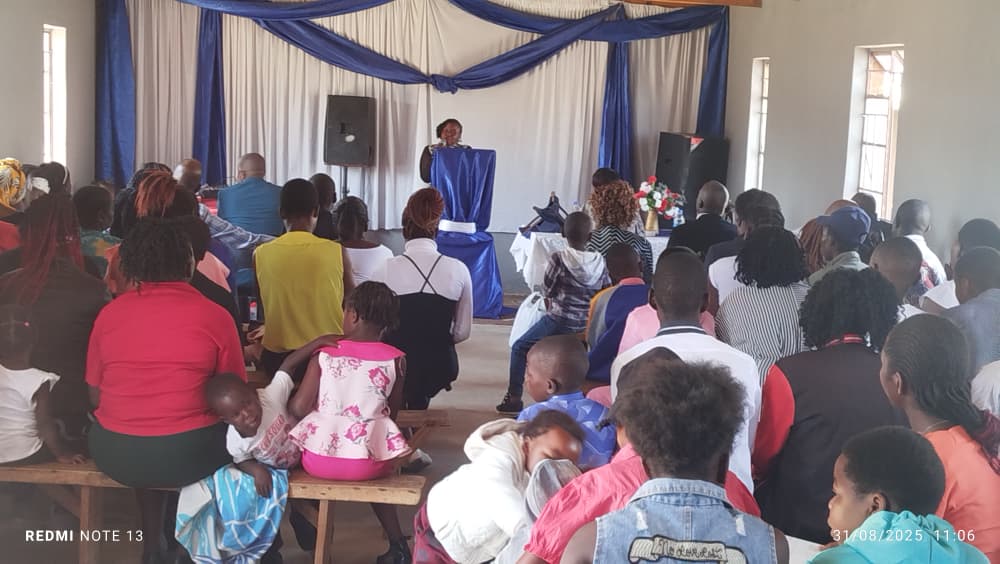
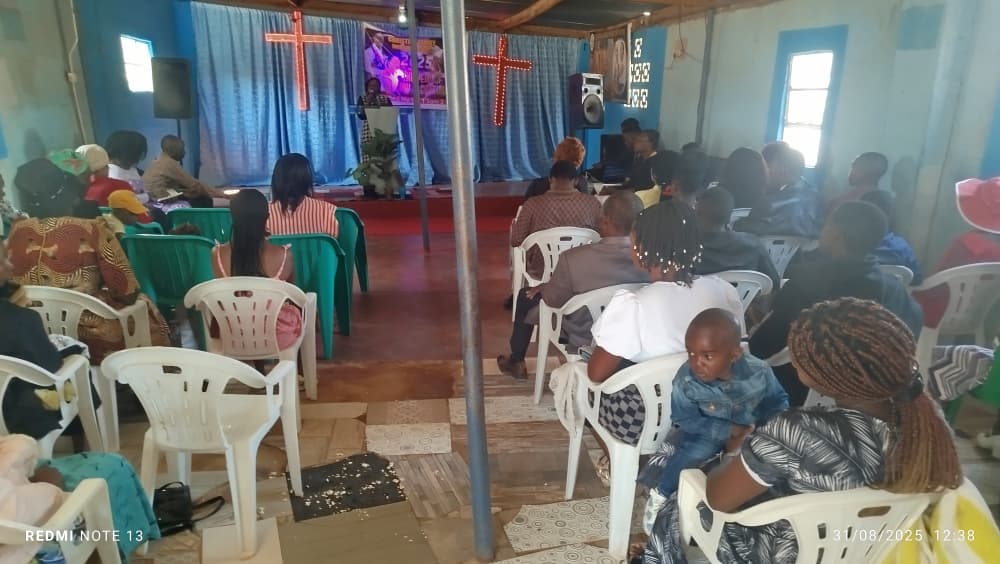
These Sunday church visits are not isolated events, but part of the ongoing, regular activities facilitated by VNZ under the CFC Project to ensure churches remain safe havens for children.
✅ Together, the Church, the State, and civil society can ensure that every child grows up in a safe, loving, and supportive family environment.