
Safe churches & strong protection systems
Child Friendly Churches
A Child Friendly Church turns a commitment to children into visible standards, trusted people and reliable action.
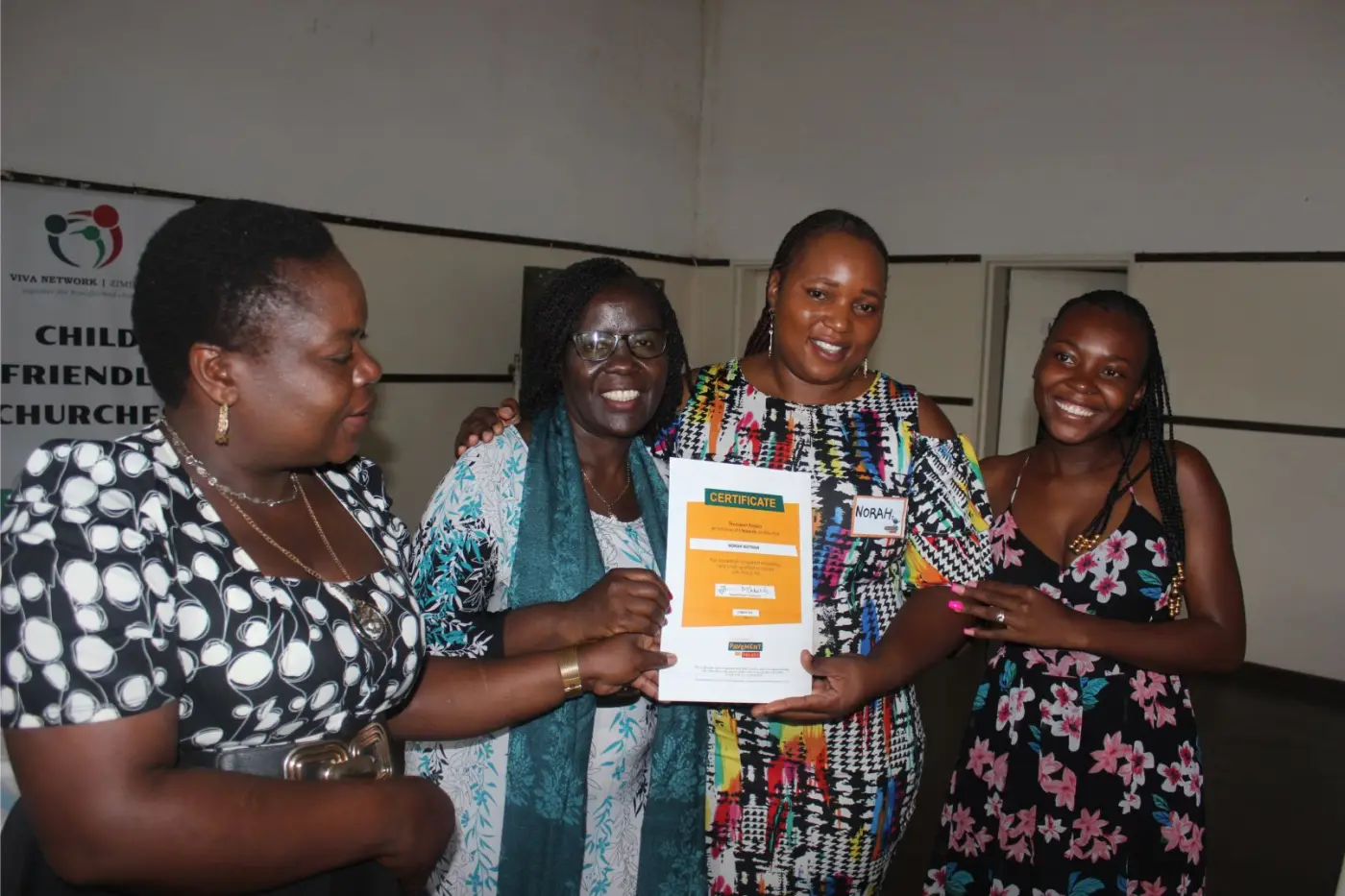
Why it matters
Equipping churches to make safeguarding, participation and accountable leadership part of everyday ministry.
Churches are deeply embedded in community life. With the right systems and support, they can prevent harm, identify concerns early and connect families to help.
Our approach
Local capability. Connected systems.
VNZ supports denominations and local congregations to embed safeguarding, meaningful child participation and referral practice in their leadership, ministry and community relationships.
The Child Friendly Church model helps faith communities move from good intention to visible practice through policies, trained champions, local committees, child participation and links to statutory services.
What this can include
From commitment to everyday practice.
Activities are adapted with local partners to the context, risks and strengths of each community.
- 01Church safeguarding assessment and improvement
- 02Training for leaders and Child Protection Champions
- 03Child Protection Committees and junior structures
- 04Safe complaints, reporting and referral processes
- 05Mentoring towards locally owned safeguarding standards
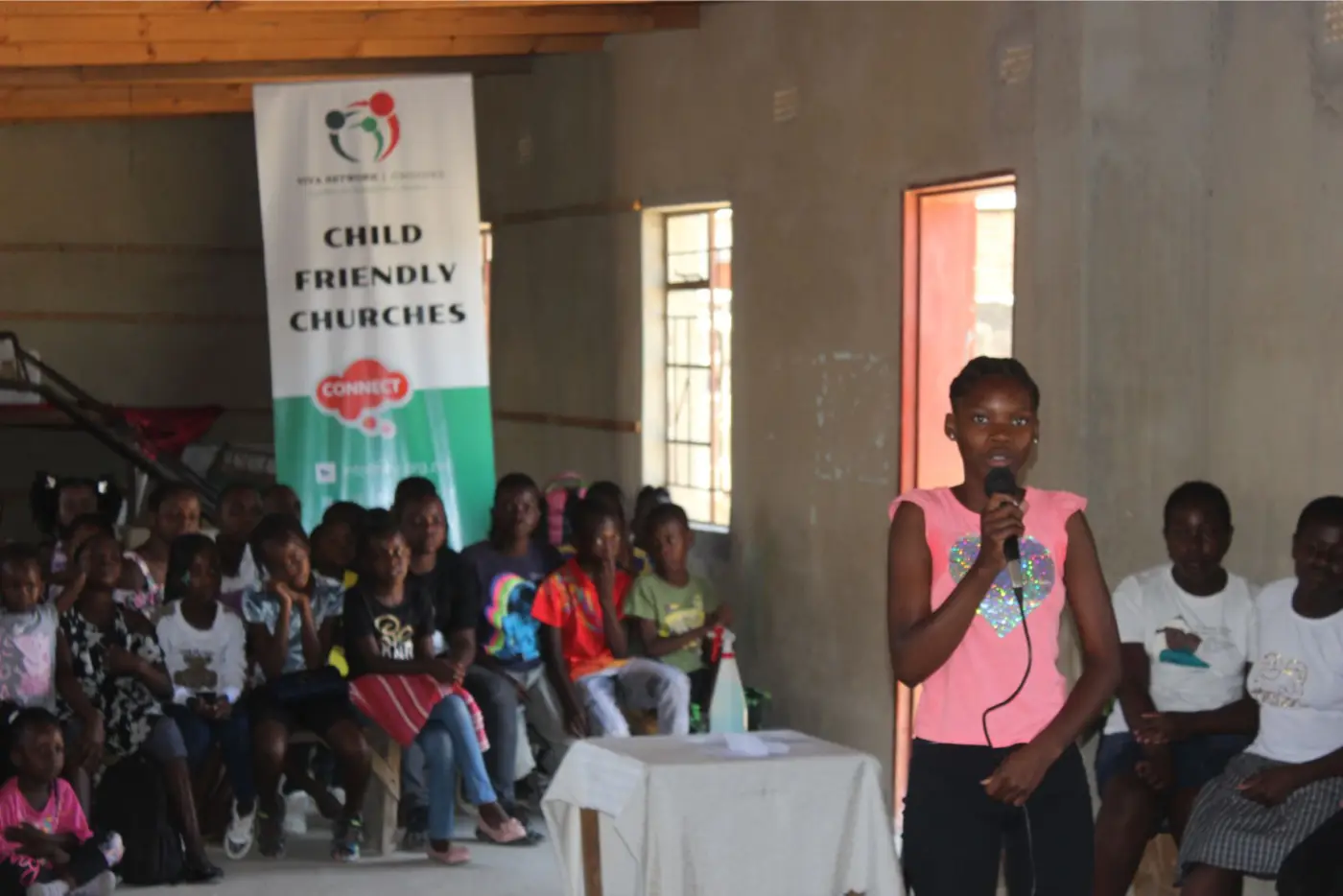
Meaningful participation
Children have a voice in the work that affects them.
Junior structures and child-led activities give children appropriate ways to influence church life. Adults remain responsible for safety, response and follow-through.
Safeguarding comes first. We do not publish identifying case details, and sensitive concerns follow dedicated reporting and referral pathways.
Report a concernWork with us
Lasting change is collaborative.
VNZ works with churches, public institutions, civil-society organisations, schools, families and young people to strengthen locally owned responses.