
Strong families & positive parenting
Family strengthening & positive parenting
Strong, supported caregivers create the everyday conditions in which children can feel safe, heard and able to thrive.
Why it matters
Helping caregivers build safe, nurturing relationships and stronger support around every child.
Economic pressure, harmful norms and limited support can strain family relationships. Caregivers need practical skills and trusted peer networks—not judgement.
Our approach
Local capability. Connected systems.
VNZ works through churches, schools and communities to strengthen nurturing care, non-violent discipline, communication, digital safety and support for families facing additional barriers.
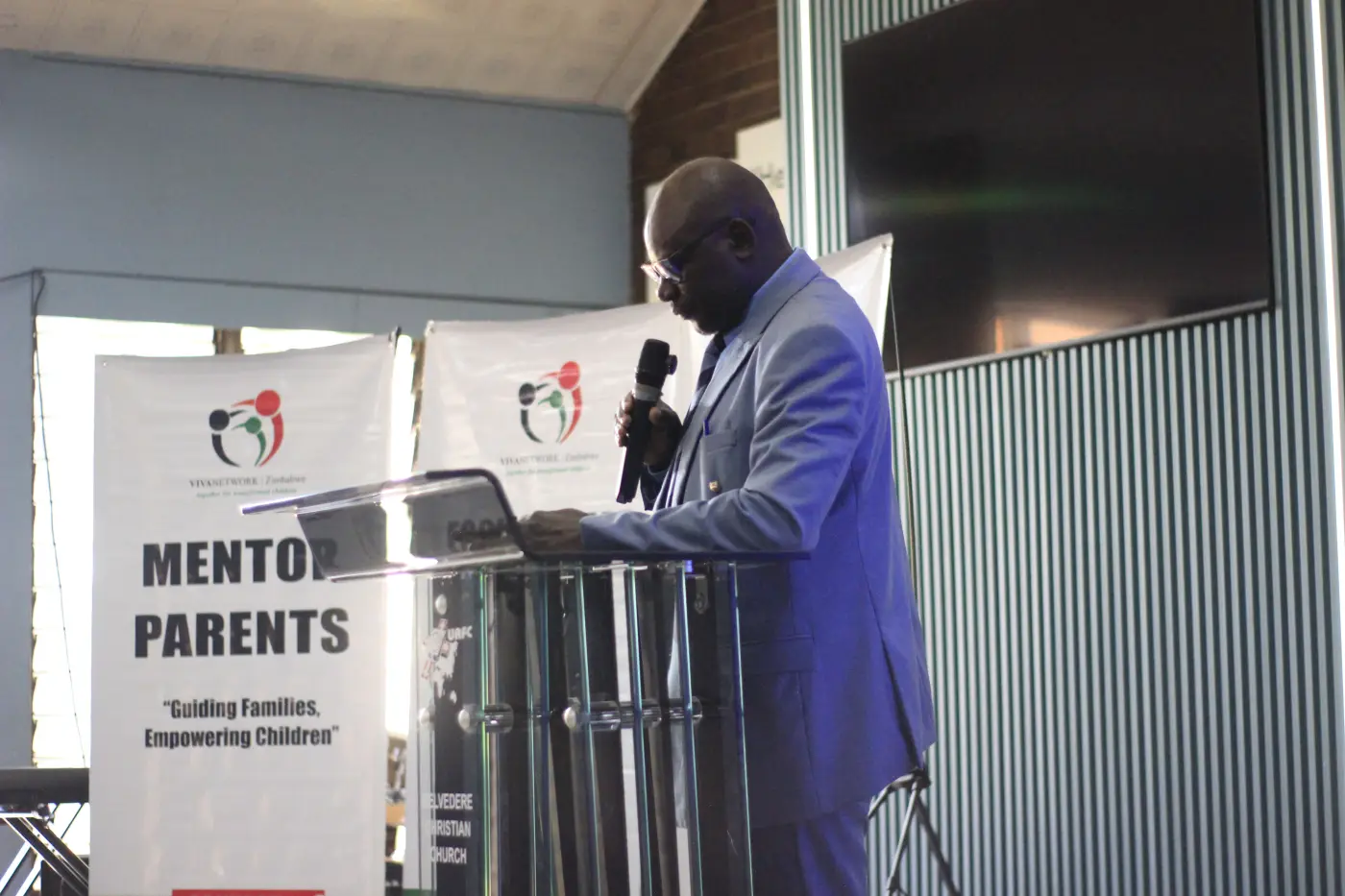
Positive parenting is both practical and relational. VNZ supports locally led groups, trained mentors and useful tools that help caregivers listen, communicate and respond without violence.
What this can include
From commitment to everyday practice.
Activities are adapted with local partners to the context, risks and strengths of each community.
- 01Positive Parenting groups and learning sessions
- 02Mentor parents and family coaches
- 03Family Support Groups and peer support
- 04Support inclusive of caregivers of children with disabilities
- 05Practical parenting tools for local facilitators
Meaningful participation
Children have a voice in the work that affects them.
Children’s perspectives help adults understand how care, discipline and communication are experienced at home. Activities create space for families to listen and learn together safely.
Safeguarding comes first. We do not publish identifying case details, and sensitive concerns follow dedicated reporting and referral pathways.
Report a concernWork with us
Lasting change is collaborative.
VNZ works with churches, public institutions, civil-society organisations, schools, families and young people to strengthen locally owned responses.